September 24, 2026
Best Jamaican Food in Denver for Quick Bites and Full Feasts
By @israelqfjn883
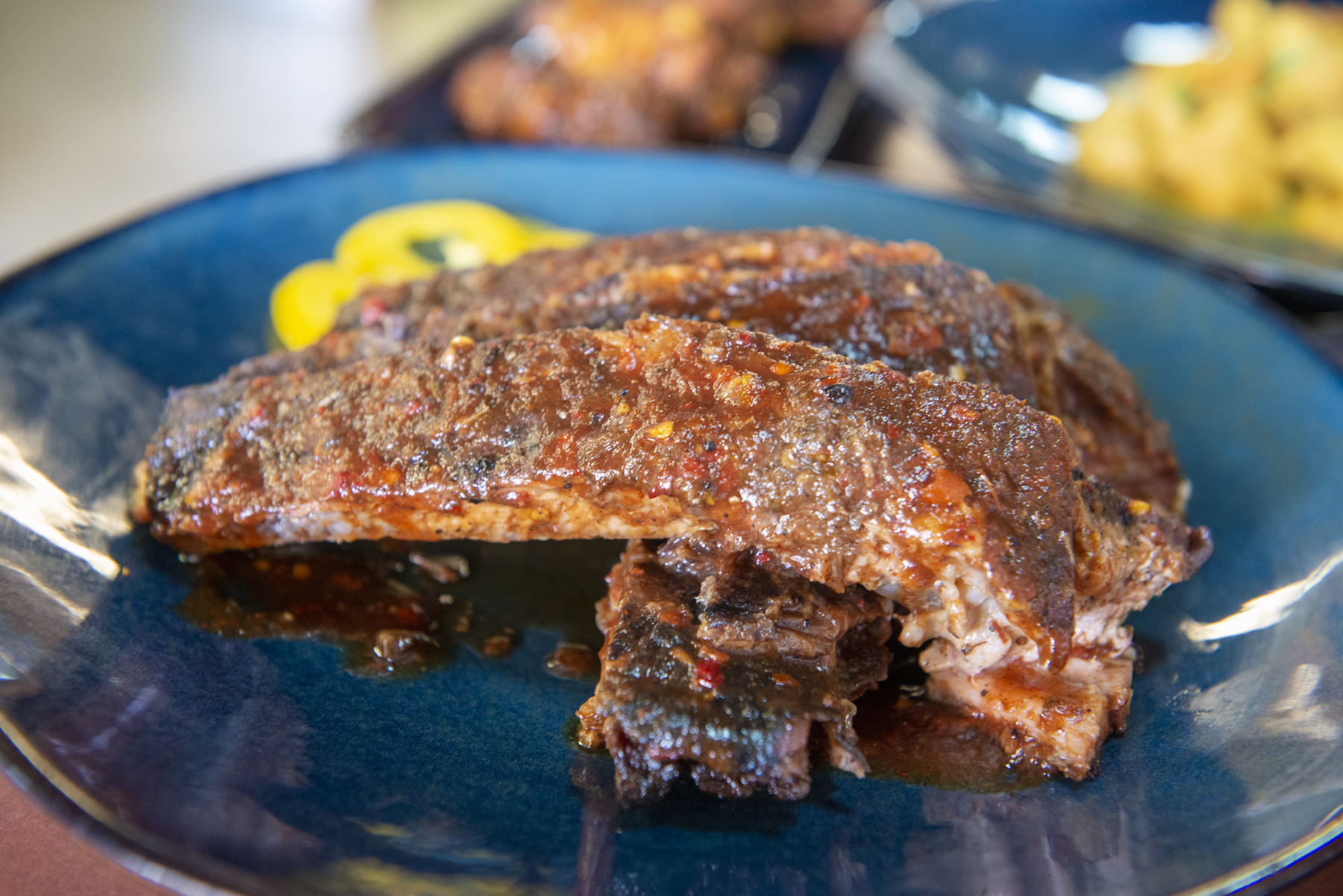
Denver is not the first city people name when they talk about Caribbean food, but that is part of what makes its Jamaican cooking so satisfying when you find it. The scene is smaller, more spread out, and less obvious than in places with long-established Caribbean enclaves. You do not stumble into great jerk chicken here on every block. You look for it, ask around, follow the smoke, and remember the places that get the details right.
That search pays off. The best Jamaican food in Denver delivers exactly what it should, deep seasoning, patient cooking, heat balanced with sweetness, and sides that matter as much as the main plate. A proper meal does not feel thrown together. The rice and peas carry coconut and thyme. The cabbage still has texture. The plantains are soft and caramelized at the edges. The chicken tastes seasoned all the way through, not just on the skin.
Denver also has a practical advantage for this kind of food. It is a city built around mixed schedules and mixed appetites. People want something fast at lunch, substantial after work, and comforting enough to justify a drive across town on a cold evening. Jamaican cooking handles all three. A flaky beef patty can get you through a busy afternoon. A plate of oxtail, curry goat, or jerk pork can turn dinner into the whole event.
What makes a Jamaican spot worth the trip
Not every restaurant using the words “Caribbean” or “island” is serving distinctly Jamaican food, and not every place that serves Jamaican food does every dish equally well. If you are trying to separate a good stop from a memorable one, you usually start with the fundamentals.
Seasoning is the first clue. Jamaican food depends on layered flavor, not one-dimensional heat. Scotch bonnet peppers matter, but so do pimento, thyme, scallion, ginger, garlic, and allspice. When jerk is done well, the spice profile blooms in stages. You get smoke first, then warmth, then a little sweetness, then the pepper catches up. Bad jerk tastes like generic barbecue with extra cayenne. Good jerk has depth and personality.
Texture is next. This is where a lot of casual kitchens lose ground. Fried plantains should be tender, not dried out. Festival should have a crisp outside and a soft, slightly sweet center. Patties need a crust that breaks cleanly without showering your shirt in crumbs. Stewed dishes should feel rich but not greasy. Oxtail in particular should be glossy and full-bodied, with meat that yields easily but still has structure.
Then there is pacing. Jamaican food often improves when the kitchen is allowed to cook it on its own timeline. Braises need hours. Marinades need time to penetrate. Rice and peas cannot be rushed if you want the starch and coconut to settle into each other properly. The best places in Denver tend to understand this. Even when they move quickly at the counter, the food itself suggests patience.
Denver’s Jamaican food scene, small but serious
The city’s Jamaican options are not endless, and that can be frustrating if you are used to larger Caribbean dining scenes. But there is an upside to a smaller market. The places that survive usually do so because they have loyal regulars, a clear point of view, and a kitchen that knows exactly what people come back for.
In Denver, Jamaican food often shows up in a few different forms. There are casual takeout-focused spots where patties, jerk plates, and curry dishes move fast during lunch. There are family-run restaurants that lean into larger combination platters and weekend comfort meals. And there are mobile or pop-up operations that build a following around one or two signature items, often jerk chicken or smoked meats with strong island seasoning.
That means your best meal depends partly on what kind of experience you want. If you need something quick between errands, the ideal stop is not the same one you choose for a slow dinner with friends. Some kitchens excel at portable food, especially patties and jerk chicken boxed with rice and cabbage. Others shine when you order heavier braises and give yourself time to eat properly.
This is why broad “best of” rankings can be misleading. A place might make the city’s most satisfying lunch but not its most refined oxtail. Another might serve an outstanding feast-sized dinner plate but be too slow for a tight midday break. When people talk about the best Jamaican food in Denver, they are often describing different needs, not just different restaurants.
The quick bites that punch above their weight
A lot of people meet Jamaican food through a small format first. That makes sense. A beef patty is cheap, portable, and easy to understand on the first bite. But simple does not mean basic. At a strong Jamaican spot, quick items reveal as much about the kitchen as the large platters do.
The patty is the clearest example. Good ones look modest, but they are technical. The shell should be tinted golden from turmeric or curry, flaky without becoming dusty, and sturdy enough to hold the filling. The filling itself should be savory, moist, and assertively seasoned. If a place also offers chicken, vegetable, or spicy variations, that can be useful, though plain beef remains the benchmark.
Jerk chicken in lunch portions is another test. In Denver, some kitchens adapt to local expectations by toning down the heat or adding sauces that soften the traditional profile. That is not automatically a problem. Restaurants have to cook for the market they serve. Still, the strongest versions do not compromise the backbone of the dish. The chicken should carry smoke, char, and enough spice to remind you that jerk is not merely grilled chicken with a rub.
A quick lunch can also be a small curry plate, especially curry chicken. It is usually more forgiving for weekday service than goat, which can vary a lot depending on the day’s batch and how recently it came off the stove. When curry chicken is made well, the sauce clings to the meat rather than pooling thinly at the bottom of the container. The potatoes, if included, should taste seasoned rather than acting as filler.
Here are the quick-order items most likely to tell you whether a Denver Jamaican kitchen is worth revisiting:
- Beef patty, for crust, seasoning, and moisture
- Jerk chicken plate, for smoke, marinade depth, and side quality
- Curry chicken, for balance, tenderness, and consistency
- Plantains, for texture and proper caramelization
- Rice and peas, because weak sides often signal weak mains
A restaurant that nails three or four of those usually has the rest of the menu under control.
When you want the full feast
Quick bites are useful, but Jamaican food really earns its reputation when you settle into the heavier dishes. This is where appetite and patience matter. A full feast is not about sheer quantity, though portions are often generous. It is about the kind of cooking that accumulates flavor over time.
Oxtail is the classic splurge order, and it should feel like one. In Denver, this dish often comes with a price that makes people pause, partly because oxtail has become expensive everywhere. That does not mean it should be ordered casually. It means it should be judged carefully. Good oxtail delivers richness without collapse. The gravy should be deeply savory, with a hint of sweetness from browning and enough spice to keep it from feeling heavy. Butter beans are not decoration here. They should absorb that gravy and add contrast.
Curry goat is the dish many people use to judge a Jamaican kitchen’s seriousness. Goat can turn tough if mishandled, and curry can become muddy if the seasoning is not managed well. The best versions in Denver come out fragrant first, then earthy, then gently hot, with meat that pulls from the bone without shredding into dryness. This is one of those dishes where a slightly longer wait can be a very good sign.
Brown stew chicken deserves more respect than it usually gets. It is not as flashy as jerk and not as luxurious as oxtail, but it often reveals the kitchen’s baseline skill. The sauce should be dark and rounded, touched by tomato but not dominated by it, with onions and peppers cooked down into the structure of the dish. If you want a comforting dinner on a cold Denver night, this is one of the most reliable orders on the menu.
Escovitch fish, when available, can be one of the most satisfying plates in town. It is less common, partly because seafood service is trickier inland and partly because not every restaurant wants to manage the demand. When a Jamaican spot offers it and the fish is fresh, it is worth serious consideration. The contrast between crisp skin, tender flesh, and vinegary pickled vegetables is one of the most complete flavor experiences in the cuisine.
Side dishes are where standards get exposed
People often focus on the protein and treat the sides as supporting actors. That is a mistake. If you care about quality, the sides tell the truth fast.
Rice and peas should never be an afterthought. In Jamaican cooking, this dish is not plain rice with a token scoop of beans. It should taste like coconut milk, thyme, and the pot it was cooked in. Depending on the kitchen, the grains may be looser or slightly more cohesive, but they should not be dry, bland, or underseasoned. A restaurant can lose an otherwise strong plate if the rice feels detached from everything around it.
Cabbage is another signal. Properly cooked cabbage brings freshness and structure to a rich meal. It should retain some bite and carry seasoning of its own. When it is reduced to watery filler, the whole plate feels tired. The same goes for plantains. A few slices of sweet, browned plantain can round out a spicy dish beautifully. Pale or leathery plantains suggest careless timing.
This matters especially in Denver, where altitude and climate already challenge consistency in commercial kitchens. Dry air can work against fried foods and baked crusts. Long hold times can flatten texture. The restaurants that maintain side quality despite those conditions deserve credit. It is not glamorous work, but it separates disciplined operators from places that rely on novelty alone.
How to order wisely, especially on your first visit
The smartest way to explore Jamaican food in Denver is to order for the kitchen you are actually standing in, not for an idealized menu in your head. If the room smells like smoke and char, jerk is probably the move. If several tables are eating braised dishes and the steam from the pass smells intensely spiced, look hard at the curry or oxtail. Watch what regulars pick up. They usually know what that kitchen does best.
A few practical habits help:
- Ask what sold well that day, especially with stewed dishes
- If you are new, pair one signature protein with rice and peas and cabbage
- Save specialty seafood for places that clearly feature it often
- Order patties early if you see them moving, they can sell out fast
- If spice level matters to you, ask directly, because heat varies widely by kitchen
That last point matters more than people think. “Spicy” is one of the least reliable words in restaurant language. One Denver kitchen may soften heat for a broad customer base. Another may serve food closer to what regular Jamaican diners expect. Neither approach is wrong, but it affects your experience.
Quick lunch or long dinner, different strengths matter
A lunch spot has one job: feed you well without derailing your day. In that setting, speed, consistency, and transport quality matter. Jerk chicken that holds its moisture in a takeout box is valuable. A patty that stays crisp enough during a short drive is valuable. Sides that are portioned sensibly for lunch are valuable. You are not asking for theater. You are asking for competence and flavor.
Dinner raises the bar. Once you are sitting down for a full meal, pacing and complexity matter more. You notice whether the gravy is layered or flat. You care whether the sides support the main or just occupy space on the plate. You might share multiple proteins, compare sauces, and finish with a better sense of the restaurant’s range. A place that is merely good at lunch can seem ordinary at dinner. A place built for dinner can feel transformative.
That distinction is useful when someone recommends the best Jamaican food in Denver. Ask what they ordered and when. A glowing review based on a perfect lunch combo does not necessarily tell you where to take out-of-town guests for a leisurely meal. Likewise, a restaurant known for deeply satisfying braises may not be ideal if you only have twenty-five minutes between meetings.
The local palate, and how Jamaican cooking adapts without losing itself
Denver diners tend to be adventurous, but they also appreciate clarity. That has shaped the city’s Jamaican food in interesting ways. Some kitchens lean toward cleaner presentation, more visible sides, and a little more menu explanation for guests who may not know festival from coco bread. Others stay closer to a classic takeout-counter style and let the food speak for itself.
The balance is delicate. If a restaurant waters down seasoning too far, it loses the thing that makes Jamaican food distinct. If it refuses any adaptation at all, it may struggle to bring in new diners. The best places manage both. They keep the core flavors intact while making the menu accessible enough that a first-timer feels confident ordering.
I have often found that the strongest Denver Jamaican kitchens do not chase trends. They are not trying to turn every plate into a mashup. They focus on execution, portions, and hospitality. That may not generate as much social media noise as some newer concepts, but it creates trust. And trust matters when you are spending good money on slow-cooked meat, sides, and a meal you have probably driven across town to pick up.
What to expect on price and portion
Jamaican food often looks casual, but that can mislead people on value. A generous plate can easily cover two lighter meals, especially if you order a heavier braise with dense sides. At the same time, some signature dishes are simply more expensive than they used to be. Oxtail is the obvious example. Goat can also land higher than expected. That is not unique to Denver. Ingredient costs have changed dramatically, and restaurants feel it.
The fair way to judge value is to look at proportion, labor, and satisfaction together. If a plate arrives loaded with tender meat, well-seasoned sides, and enough depth that you still think about it the next day, it earned its price. If the portion is large but the seasoning is timid and the sides are forgettable, quantity will not save it.
This is another reason patties and lunch plates remain important. They give you a lower-commitment way to evaluate a kitchen before you invest in the premium braises. A restaurant that cannot make a convincing patty or jerk lunch is unlikely to justify a high-ticket dinner order.
Finding your own favorite in Denver
The phrase “best” always needs https://rowanoyjy508.opalvector.com/posts/jamaican-food-in-denver-top-menus-packed-with-caribbean-flavor context. Some diners want unapologetic heat and smoke. Some want tender, comforting stews. Some want a fast lunch they can count on every week. Some are chasing a taste that reminds them of home. Denver can satisfy all of those diners, but not always at the same address.
If you are just starting to explore Jamaican food in Denver, begin with the classics and pay attention to the small details. Taste the rice on its own. Notice whether the jerk tastes marinated or merely seasoned. Check whether the cabbage is alive or limp. See if the gravy has real depth. Those details are not fussy. They are the difference between food that fills you up and food that stays with you.
The best Jamaican meals in this city tend to share a few traits. They are generous without feeling careless. They respect spice without using heat as a stunt. They treat sides as part of the meal, not plate filler. And they make you slow down, even if you came in looking for something quick.
That is the real appeal of great Jamaican food here. Denver may not offer endless options, but the restaurants and kitchens that do it well create something far more valuable than variety. They create meals with conviction. Whether you grab a patty between stops or settle in with curry goat and rice and peas, the right plate feels grounded, confident, and complete. For quick bites and full feasts alike, that is what makes the search worth it.
Reggae Pot Jamaican Grill
Address: 2243 S Monaco St Pkwy #104, Denver, CO 80222
Phone number: +17204102956
FAQ About Jamaican Food Denver
What is typical Jamaican food?
Typical Jamaican food features bold, vibrant flavors created by blending African, Taino, European, and Asian influences.
What is a famous Jamaican dish?
Ackee and saltfish is Jamaica's national dish, made by sautéing the soft local ackee fruit with salted cod, onions, tomatoes, and spicy Scotch bonnet peppers.
What food is most popular in Jamaica?
The most popular and famous food in Jamaica is Jerk Chicken, celebrated worldwide for its smoky, spicy flavor.
❧