September 25, 2026
Drunken Noodles for Beginners: Step-by-Step Cooking Tips
By @israelqfjn883
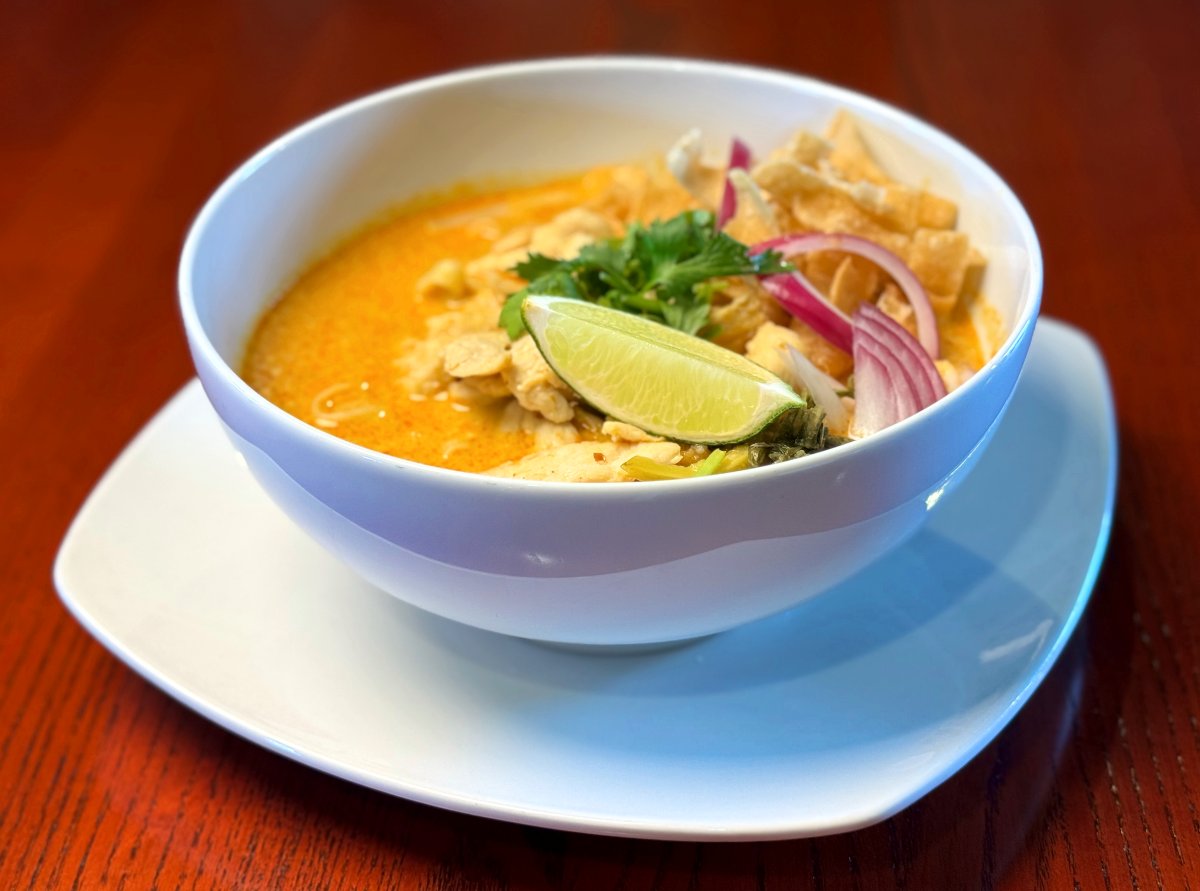
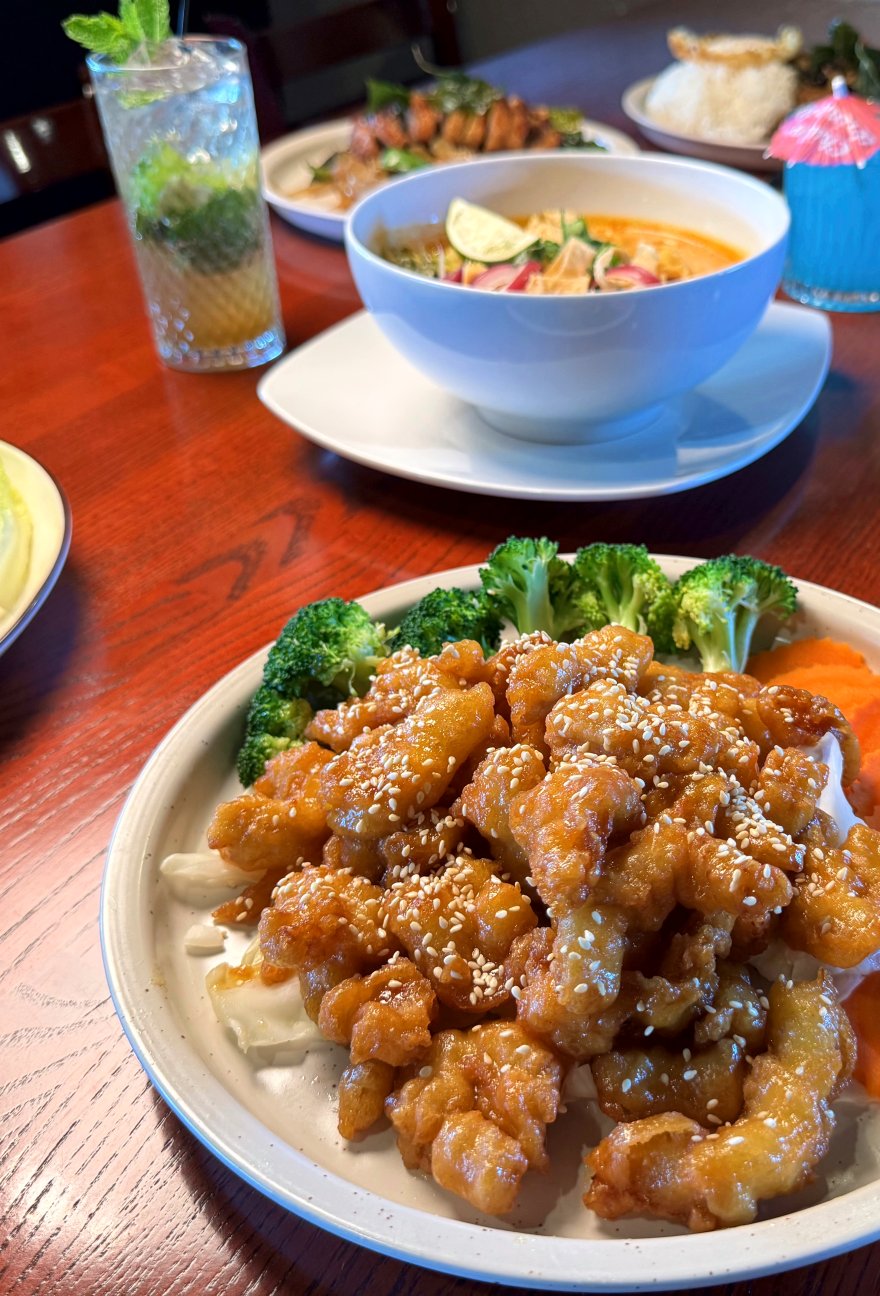

Drunken Noodles look dramatic when they arrive at the table. Wide rice noodles slicked with sauce, basil perfuming the steam, bits of char on vegetables, and enough heat to wake up your palate. For beginners, though, they can be surprisingly easy to fumble. The noodles stick. The sauce turns watery. The pan gets crowded. The basil goes black. A dish that should taste bold and loose ends up gummy and flat.
That gap between restaurant-quality and home-cooked often comes down to a few small decisions. I have made this dish in home kitchens with weak electric burners, cramped prep space, and skillets that absolutely did not behave like restaurant woks. It can still come out beautifully. You do not need a jet-engine stove. You need timing, sensible ingredient prep, and an understanding of what each component is doing in the pan.
Drunken Noodles, often associated with Thai pad kee mao, reward cooks who think ahead. Once the heat is on, you are moving fast. If you pause to slice garlic or measure soy sauce, the food in the pan keeps cooking, and usually not in your favor. The good news is that beginners improve quickly with this dish because the mistakes are visible and easy to correct next time.
What makes Drunken Noodles different
If you have cooked pad thai before, it helps to forget that rhythm. Drunken Noodles are not delicate and tidy. They are bolder, hotter, and more savory. The noodles are usually wider, the vegetables chunkier, and the flavor profile leans more heavily on soy-based seasoning, chilies, garlic, and Thai basil. There is often a smoky quality from high heat, even if that smoke is modest in a home kitchen.
Texture matters as much as flavor. The noodles should be tender but not mushy. The vegetables should soften at the edges while keeping a little bite. The sauce should cling rather than pool. Basil should wilt into the dish at the very end, releasing aroma without disappearing into a dark, damp tangle.
One practical truth beginners learn fast: this is a stir-fry, not a simmer. Every extra minute in the pan pushes the dish away from lively and toward heavy.
Start with the right noodles
If you can find fresh wide rice noodles, buy them. They are the easiest route to a satisfying result because they already have the soft, springy texture you want. Fresh noodles usually come folded or loosely packed, and the strands need to be gently separated before they hit the pan. Do that with your hands, slowly, so they do not tear.
Dried wide rice noodles are perfectly workable, but they demand more care. The biggest beginner mistake is soaking or boiling them until they are fully soft before stir-frying. That feels logical, but it backfires. They continue cooking in the pan and often slide into mush. Aim for slightly underdone. They should bend easily but still feel a little firm in the center. Think of them as 80 to 90 percent cooked before stir-frying.
If the noodles clump after draining, a small amount of oil helps. Not much. Too much oil prevents sauce from clinging later. A teaspoon or two for a full batch is usually enough.
Fresh noodles can also clump, especially if they are cold from the refrigerator. Letting them sit at room temperature for 20 to 30 minutes helps. If they are stubbornly stuck together, a few seconds in the microwave, or a brief steam over hot water, can loosen them. You are not trying to cook them more, only relax them enough to separate.
The ingredient lineup that gives you the best shot
You can improvise around the edges, but a beginner should not improvise on everything at once. Build one solid version first. Once you understand the balance, then start swapping proteins or adjusting heat.
- Wide rice noodles, fresh if possible
- Garlic, fresh chilies, a mild protein, and sturdy vegetables such as Chinese broccoli, bell pepper, or onion
- Oyster sauce, soy sauce, dark soy sauce, and a little sugar
- Thai basil
- Neutral oil and optional fish sauce for extra depth
That combination covers the core structure of the dish. Oyster sauce gives body and slight sweetness. Soy sauce seasons. Dark soy sauce contributes color and a rounder, less sharp savoriness. Sugar smooths the edges and helps the sauce taste finished rather than harsh. Thai basil is not a garnish here. It is one of the defining flavors.
If you cannot find Thai basil, regular basil is usable, but it changes the character. Thai basil has a firmer leaf and a peppery, slightly anise-like aroma that stands up to heat. Sweet Italian basil tastes softer and more floral. The dish can still be good, but it will not taste quite the same.
Build the sauce before you touch the stove
For home stir-frying, premixing the sauce is one of the smartest habits you can develop. It prevents overpouring and avoids the scramble of measuring while the garlic burns.
A beginner-friendly ratio for about two hearty servings is roughly two tablespoons oyster sauce, one and a half tablespoons soy sauce, one teaspoon dark soy sauce, one to two teaspoons sugar, and up to one teaspoon fish sauce if you want a deeper savory edge. That range works because brands vary. Some soy sauces are saltier, some oyster sauces are sweeter, and fish sauce can dominate quickly.
Taste the sauce before cooking. It should seem slightly too intense on its own. Bland sauce stays bland in a pan full of noodles. Harsh sauce, though, will stay harsh, so if it tastes aggressively salty or sweet in the bowl, adjust now.
If you want more heat, most of it should come from the fresh chilies rather than chili sauce. Fresh chilies perfume the oil and spread through the dish in a cleaner way. Chili sauces often bring extra sugar, vinegar, or starch, which can shift the balance.
Why prep matters more here than in many weeknight meals
People often hear "mise en place" and think it sounds fussy. For Drunken Noodles, it is practical. The full cooking time is short, often under ten minutes once the pan is hot. That means the success of the dish is decided before the first sizzle.
Slice your protein thinly so it cooks fast. Keep vegetables in pieces that are large enough to keep texture but not so large that they steam forever. Have noodles loosened, sauce mixed, basil plucked, and a plate ready in case you need to remove something from the pan briefly.
This is especially important if you are cooking on a regular home stove. Restaurant burners recover heat immediately. Home burners do not. Every extra second spent hunting for an ingredient lets the pan cool, and cooler pans make wetter stir-fries.
Choosing the right pan and understanding its limits
A carbon steel wok is ideal, but not mandatory. A large skillet, especially stainless steel or cast iron, can do excellent work as long as you accept the trade-offs. The main challenge in a home kitchen is surface area. If too much food goes into the pan at once, moisture collects and the ingredients steam.
That is why smaller batches beat oversized ones every time. If you want to cook for four, make two batches unless your pan is truly large. Beginners often resist this because it feels slower. In reality, it is faster than trying to rescue one overcrowded pan of limp noodles.
Nonstick pans are fine for learning, particularly if sticking makes you nervous. You may lose a little browning, but you gain control. Once your timing improves, you can move to a wok or stainless pan if you want more char.
The sequence that keeps the noodles lively
The order of operations matters because each ingredient behaves differently in heat. Garlic and chilies release flavor fast and burn fast. Protein needs direct contact with the pan. Vegetables release water. Noodles need enough tossing to absorb sauce but not so much that they break apart.
Use this sequence as your baseline:
- Heat the pan well, add oil, then cook garlic and chilies briefly until fragrant.
- Add the protein and cook it most of the way before adding vegetables.
- Add vegetables and stir-fry until just starting to soften.
- Add noodles and sauce, tossing gently but decisively so the noodles absorb the seasoning.
- Turn off the heat, fold in Thai basil, and serve immediately.
That pattern solves most beginner problems. If basil goes in earlier, it loses its aroma. If noodles go in before vegetables have had any heat, the pan cools and everything turns soft. If sauce goes in too early, it can burn in the bottom before the noodles arrive.
One subtle point matters here: when the noodles hit the pan, do not stir wildly. Wide rice noodles tear easily, especially when hot and soft. Use tongs or a spatula to lift and turn sections of noodles rather than chopping through them. It should feel more like folding and tossing than https://eduardovago195.evercolumn.com/posts/weeknight-drunken-noodles-in-under-30-minutes scrambling.
How to get flavor without a restaurant burner
Many recipes casually tell you to cook over very high heat, which is helpful advice only if your stove can actually deliver it. Most home ranges top out lower than commercial ones, so the strategy has to change.
First, preheat longer than you think. A pan that seems hot after one minute often is not truly ready. Give it time. Second, avoid adding cold ingredients straight from the refrigerator when possible, especially fresh noodles. Third, do not crowd the pan. That is the single biggest factor in whether you get any browning at all.
If you want a little smoky edge, let the protein and vegetables sit untouched for short stretches, maybe 20 to 30 seconds, before stirring. Constant movement prevents contact and browning. With noodles, though, prolonged stillness can cause sticking, so use that trick early in the process rather than after the noodles go in.
A home-cooked version may not have the exact wok hei of a restaurant plate, and that is fine. You can still get a deeply satisfying result with strong seasoning, fresh basil, and properly cooked noodles.
Common mistakes and how to fix them
The most common problem is a wet pan. You add the sauce, the vegetables release liquid, and soon the noodles are sitting in a puddle. Usually the cause is overcrowding or underheated cookware. Sometimes it is vegetables with high water content cut too small. If this happens, turn the heat up, stop stirring for a moment, and let moisture cook off. Next time, reduce the batch size.
Another frequent issue is noodles that break apart into short, ragged pieces. This usually comes from overcooking before they enter the pan, or from rough stirring once they are hot. Undercook slightly at the soaking stage and handle them more gently in the stir-fry.
Then there is blandness, which surprises people because the ingredient list looks bold. Bland Drunken Noodles usually need one of three things: more sauce, more basil, or more chilies. Sometimes they simply need a pinch more sugar to round out the salt. Taste with that framework in mind rather than dumping in random condiments.
Saltiness can also get away from you. Different soy sauces and oyster sauces vary widely. If the finished dish is too salty, a small handful of extra noodles or vegetables can dilute it if you have them ready. A pinch of sugar sometimes helps soften perceived saltiness, but it cannot fully erase it. The better fix is to go lighter on the mixed sauce in the pan and add more only if needed.
Protein choices and what changes with each one
Chicken is the most forgiving option for beginners. Thin slices of thigh stay juicy and cook quickly. Breast works too, but it dries out more easily if cut too thick or left in the pan too long.
Beef is excellent, particularly flank or sirloin sliced thin across the grain. It delivers strong flavor, but because it browns fast, you need to watch timing carefully. If the beef gives off too much liquid, pull it out briefly and return it later rather than boiling it in its own juices.
Shrimp cook even faster than beef. They are ideal if you want a lighter version, but they go from perfect to rubbery in less than a minute if you are not paying attention. I prefer to cook shrimp almost through first, remove them, and add them back after the noodles are sauced.
Tofu works well, especially firm or extra-firm tofu pressed and pan-seared first. The main trick is to brown it before introducing sauce. If it goes in pale and wet, it behaves like a sponge and can make the dish feel soggy.
Vegetables that hold up well
Chinese broccoli is traditional in many versions because it brings slight bitterness and enough structure to survive stir-frying. Broccolini is a good substitute. Bell peppers add sweetness and color. Onion gives body and a little char if sliced thick enough. Green beans can work if blanched first or sliced thinly. Baby corn is common in restaurant versions and contributes crunch, though it is not essential.
A beginner should avoid loading the pan with too many different vegetables at once. Three is plenty. More than that and the stir-fry starts feeling busy, both in flavor and in pan management. Pick a bitter or green element, a sweet element, and perhaps one neutral texture, then let the noodles and basil stay at the center.
Heat level, and how to make it enjoyable rather than punishing
Drunken Noodles are meant to have some fire, but there is a wide range between pleasantly spicy and painfully hot. Fresh Thai chilies are potent, and their heat varies from batch to batch. If you are new to them, start low. Two chilies can be enough for some people, while others want five or six. Slice them finely for more even heat, or leave them in larger pieces if you want pockets of spice rather than full distribution.
A useful rule from repeated weeknight cooking: if you are serving several people, make the base level moderate and offer extra chili on the side. You cannot subtract heat once it is in the pan. You can always add more.
If you accidentally overshoot, a squeeze of lime is not traditional in every version, but a little acidity can brighten the dish and make the heat feel less heavy. It will not reduce actual spiciness, but it changes the balance enough to help.
Timing the basil
Thai basil deserves its own section because it is often mishandled. Basil should not cook for long. It should meet residual heat, wilt, and release aroma just before serving. If you throw it in too early, it darkens, turns limp, and loses the sharp herbal note that keeps the dish from tasting one-dimensional.
Use more than you think. A tiny handful disappears. For two servings, a loosely packed cup of leaves is not excessive. Tear very large leaves once or twice if needed, but do not chop them fine. Chopped basil bruises and blackens faster.
A realistic beginner workflow
The easiest way to think about this dish is not as a recipe to memorize, but as a rhythm. Sauce mixed. Noodles ready. Aromatics first. Protein second. Vegetables third. Noodles and sauce fourth. Basil last. Once that rhythm becomes familiar, your confidence rises quickly.
On a first attempt, choose one protein and two vegetables. Keep the sauce balanced and do not chase authenticity through complexity. Focus on texture. If your noodles stay intact, your vegetables keep a little bite, and your basil still smells alive when it reaches the table, you are most of the way there.
I often tell new cooks to pay attention to what the pan sounds like. A strong, clean sizzle means you are in good shape. A weak hiss usually means the heat dropped or the pan got crowded. That kind of sensory clue matters more than staring at the clock.
Serving and eating it at its best
Drunken Noodles are at their peak right after cooking. This is not a dish that improves while waiting around. The noodles tighten as they cool, the basil fades, and the glossy sauce dulls. Have bowls or plates ready before you start cooking. Once everything is combined, serve immediately.
If you want a fuller meal, keep sides simple. Something crisp and cool works better than another heavy dish. Cucumber, lightly dressed greens, or a plain broth can make the meal feel balanced. The noodles are already doing a lot of work.
Leftovers are still edible, but they need gentler reheating than people expect. A hot skillet with a spoonful of water can loosen them better than a microwave alone. Microwaving tends to harden the edges and overcook the basil. If you do use a microwave, short bursts and a cover help retain some moisture.
The version you should master first
For your first solid batch, I would make chicken Drunken Noodles with onion and broccolini. It is forgiving, widely available, and gives you contrast in texture. Use fresh noodles if you can. Keep the chilies moderate. Make the sauce slightly assertive. Do not overcrowd the pan. Most importantly, stop cooking while the vegetables still have life in them.
That is the point where the dish starts making sense. You taste the sweet-salty-savory sauce, but it does not weigh down the noodles. You get heat, but it does not flatten everything else. The basil rises at the end and ties the plate together. Once you hit that balance even once, the dish stops feeling tricky and starts feeling intuitive.
Drunken Noodles are not difficult because they are elaborate. They are difficult because they move fast and punish hesitation. But that also makes them one of the most satisfying stir-fries to learn. A little planning, a hot pan, and a light hand with the noodles go a long way. After a couple of tries, what once felt chaotic becomes one of the smartest, fastest meals you can cook at home.
Nakhon Luang Thai Kitchen
Address: 805 Village Center Dr, Colorado Springs, CO 80919
Phone number: +17195315175
FAQ About Drunken Noodles
What makes it drunken noodles?
Drunken noodles, or Pad Kee Mao, get their name from the Thai word khi mao (meaning "drunkard"). They contain no alcohol. The name comes from the idea that the dish is a popular late-night meal to cure a hangover or a great food to eat with a cold beer.
What is the difference between pad see ew and drunken noodles?
While both Pad See Ew and Drunken Noodles use the same wide rice noodles, Pad See Ew is a mild, sweet-savory dish made with dark soy sauce and Chinese broccoli, whereas Drunken Noodles (Pad Kee Mao) are fiery, garlicky, and herbaceous with fresh chilies and Thai basil.
What are traditional drunken noodles?
Traditional drunken noodles, known as Pad Kee Mao in Thai, are a fiery, savory street food stir-fry made with wide flat rice noodles, fresh garlic, lots of hot chilies, meat or tofu, and fragrant holy basil. Despite the name, they contain no alcohol; the dish is traditionally eaten late at night or as a hangover cure because the intense spice helps clear the head.
❧