October 29, 2026
How Cuban Bakery Aurora CO Brings Havana Flavor to Colorado
By @israelqfjn883
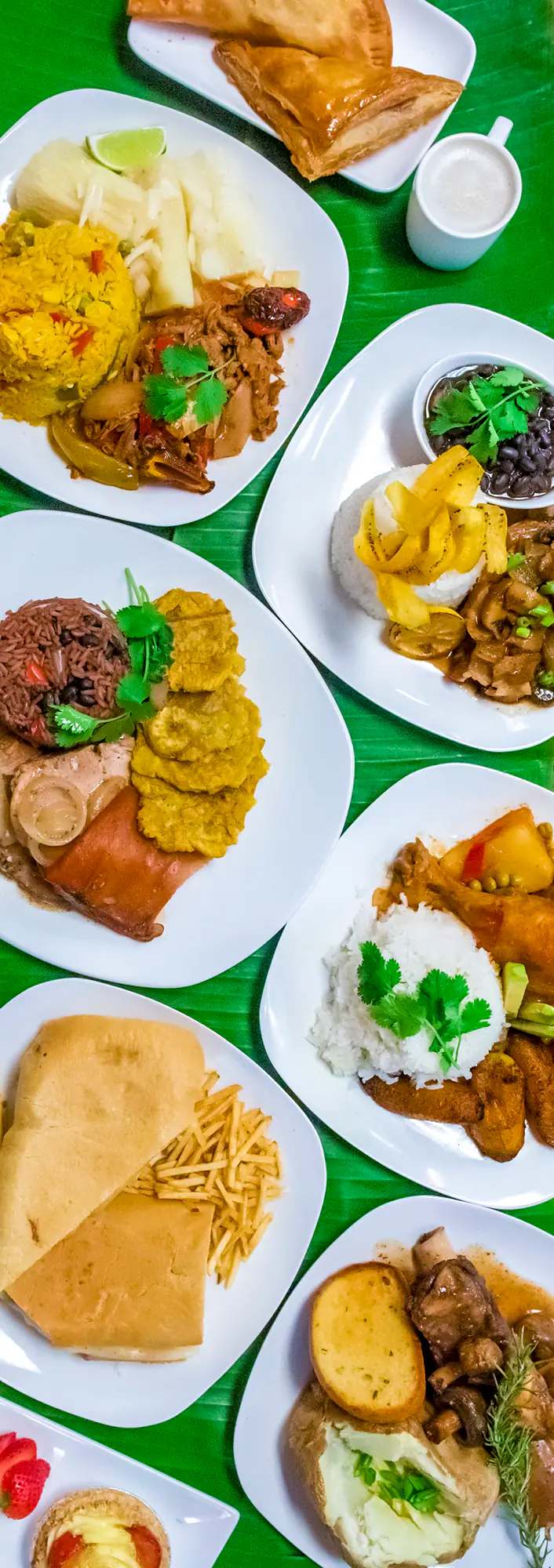
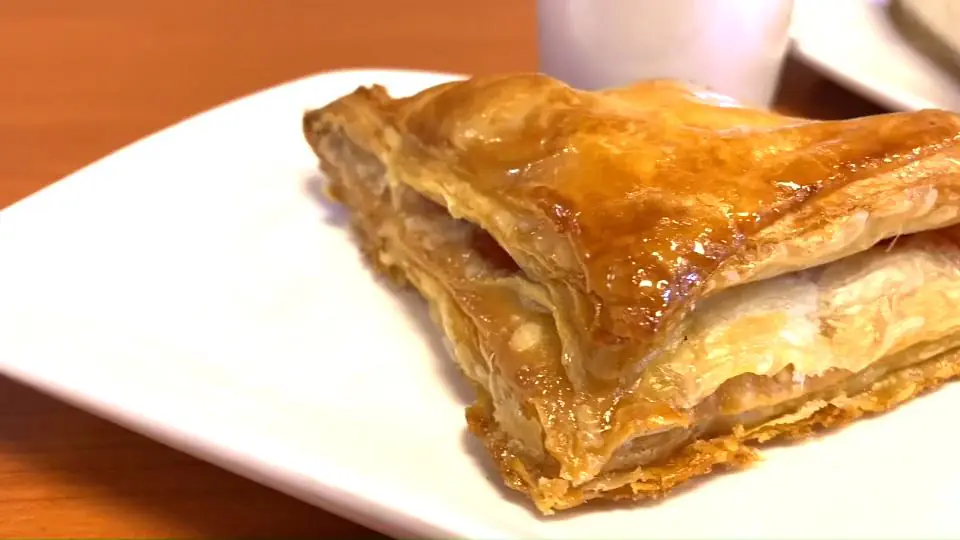
Walk into a good Cuban bakery and the first thing that hits you is not nostalgia, even if nostalgia is part of the business. It is the smell. Butter warming in laminated dough. Espresso pulling dark and sharp. Sugar browning at the edges of pastries. Ham, roast pork, and baking bread moving through the room in layers. Those details matter because Cuban baking is not just about recipes. It is about timing, temperature, texture, and the rhythm of a neighborhood place that feeds people morning, noon, and late afternoon without much ceremony.
That is what makes the rise of the Cuban bakery Aurora CO scene so interesting. Aurora is not Miami, and nobody serious would pretend otherwise. It does not have generations of Cuban bakeries on every corner, nor the same climate, supply chains, or density of Cuban families that shaped the classics in South Florida. Yet that distance is part of the story. When a bakery in Aurora manages to capture the feeling of Havana flavor in Colorado, it does so through craft, adaptation, and a clear sense of what cannot be compromised.
The result, at its best, is more than a themed pastry case. It is a working translation of Cuban food culture into a different landscape.
Havana flavor is built on everyday foods, not spectacle
People unfamiliar with Cuban bakeries sometimes expect novelty. They look for oversized desserts, bright decorations, or a menu built around social media appeal. Cuban bakery culture tends to move in another direction. The staples are everyday foods with deep repetition behind them. Cuban bread with a thin, crisp crust. Pastelitos filled with guava, cream cheese, meat, or coconut. Croquetas that need to be creamy inside and properly crisp outside. Sandwiches pressed hot enough to meld the layers without crushing the bread into submission. Strong coffee served quickly, often in small cups that invite conversation more than lingering.
That modesty is one reason the style travels well. It does not rely on trend-driven ingredients. It relies on disciplined execution. In Aurora, where a bakery may serve a customer base that includes longtime Cuban families, other Latin American communities, and plenty of locals trying these flavors for the first time, the food has to satisfy on both emotional and practical levels. It needs to taste right to someone who grew up with it, and it needs to make immediate sense to someone who did not.
That balance is harder than it sounds. A bakery can over-explain the menu and flatten its identity, or it can cling so tightly to insider cues that newcomers feel shut out. The best places avoid both mistakes. They let the food do the convincing.
The bread tells you almost everything
If you want to know whether a Cuban bakery understands its job, start with the bread. Not because sweets are less important, but because bread is unforgiving. A pastry can hide a flaw under glaze or filling. Bread cannot. Cuban bread should be light enough to tear cleanly, sturdy enough to hold a sandwich, and crisp enough on the outside to give resistance before yielding. When used for a Cuban sandwich, it must toast without turning leathery.
In Colorado, bread brings a technical challenge. Altitude changes baking behavior in ways customers may never see, but bakers feel every day. Dough can rise faster. Moisture evaporates more quickly. Fermentation needs careful watching. Oven performance matters. The same formula that works near sea level often needs adjustment in hydration, proofing time, or bake temperature once you move to the Front Range.
This is where professional judgment separates a true bakery from a place that merely imports an idea. Reproducing Havana flavor in Aurora does not mean pretending Colorado is Cuba. It means understanding how to adapt without losing the final character of the product. That may require reformulating dough percentages, changing proofing schedules, or adjusting oven steam. Customers will not talk about those choices, but they will notice the effect in a sandwich that holds together, in toast that shatters slightly at the edge, and in a loaf that still tastes fresh late in the morning.
There is experience embedded in those outcomes. You cannot fake it with branding.
Pastries carry memory, but they also demand restraint
The pastry case is often what wins over first-time visitors. It is visually inviting and emotionally legible. Even if someone has never heard the word pastelito, they understand the appeal of flaky dough and fruit filling. Still, classic Cuban pastries are not random sweets wearing Spanish names. Their appeal comes from contrast and balance.
Take guava and cheese, one of the most recognizable combinations in Cuban baking. When it is done well, the guava brings concentrated fruit flavor with a mellow tartness, while the cheese adds salt, creaminess, and structure. The pastry itself should stay light and crisp rather than greasy or overly dense. Too much sugar and the filling becomes cloying. Too much cheese and the fruit disappears. Too much time in the case and the texture softens past recovery.
That last point is easy to underestimate. Bakeries live or die on turnover. A busy case is usually a good sign because many Cuban pastries are best within a fairly narrow window. They can still be enjoyable later, but the ideal experience often comes not long after baking. In Aurora, where customer traffic may vary more by neighborhood and season than in an established Cuban enclave, bakeries have to plan production carefully. Overbaking leads to waste or stale texture. Underbaking means empty shelves and disappointed regulars.
This is one of the trade-offs that skilled operators manage quietly. Customers see abundance. Bakers see forecasting.
Coffee is not a side item
Any serious discussion of Havana flavor has to include coffee. Cuban bakery culture without coffee is incomplete. The coffee is not there to fill out the menu. It sets the pace of the room. A cortadito, café con leche, or straight shot of sweetened Cuban espresso changes how people use the space. Someone grabbing breakfast https://charlieqkvf466.image-perth.org/best-afternoon-snacks-from-a-cuban-bakery-in-aurora-co on the way to work wants speed and consistency. Someone meeting a friend wants a table, a pastry, and enough noise around them to feel part of a public ritual.
The challenge in Colorado is partly cultural and partly practical. Many customers are accustomed to larger milk drinks, customized syrups, and a café model built around lingering over laptops. Cuban coffee service tends to be more direct. Smaller portions, bolder flavor, quicker interaction. That difference can be refreshing, but only if the bakery commits to it. Diluting the coffee experience to match every broader market expectation usually weakens the identity of the place.
That does not mean a bakery in Aurora must be rigid. It means the core should remain intact. Strong espresso, proper sweetness where appropriate, hot milk prepared with care, and service that understands coffee as a daily necessity rather than a luxury accessory. When that happens, the bakery feels anchored. The pastries and sandwiches gain context. Even newcomers sense that they are stepping into a tradition rather than a concept.
Savory food keeps the bakery tied to real life
A Cuban bakery that only does sweets is leaving out half the story. The savory side is what keeps people coming several times a week rather than once a month. Croquetas for breakfast. A pressed sandwich for lunch. Stuffed pastries or empanada-style items for a quick takeout dinner. This is the food of workdays, errands, school pickups, and Saturday mornings that run long.
In Aurora, that practical role matters. The city is broad, diverse, and shaped by movement. People commute, juggle family schedules, and often need food that travels well and eats easily. Cuban bakery food is particularly good at meeting those needs because it was built for them. A croqueta can be eaten quickly but still feels satisfying. A Cuban sandwich carries enough structure to make a full meal without demanding a sit-down setting. Even a simple ham-and-cheese pastry can solve lunch with surprising grace.
There is also something important about how these savory items express Cuban flavor without requiring explanation. Roast pork seasoned with garlic and citrus, Swiss cheese melting into pressed bread, mustard cutting through richness, a béchamel-like croqueta filling held inside a breadcrumb crust, all of that communicates through taste before language gets involved. For a bakery in Aurora serving a mixed audience, that is an advantage. People do not need a history lesson to recognize a food made with conviction.
Authenticity lives in the details, not in performance
The word authentic gets used too loosely in food writing. Sometimes it means familiar. Sometimes it means old. Sometimes it is a way of policing change without understanding the conditions that force adaptation. In a place like Aurora, authenticity should be judged less by theatrical signals and more by whether the bakery protects the fundamentals.
That starts with flavor profile. Cuban baking leans on recognizable ingredients, but the proportions matter. Guava should taste like guava, not generic red jam. Ham should add savor, not just salt. Roast pork should carry seasoning beyond surface marinade. Coffee should have bitterness and sweetness in deliberate tension. Bread should support the food, not dominate it.
It also includes service style. In many Cuban bakeries, transactions move briskly, but not coldly. Staff often know regulars, answer questions plainly, and keep the line moving. The room may feel lively rather than curated. That energy can be hard to reproduce if an owner mistakes authenticity for decoration. A wall painted in tropical colors helps very little if the pastry case is weak and the coffee is forgettable.
A real Cuban bakery Aurora CO experience comes from repetition done well. The same good cafecito at 7:30 a.m. The same fresh loaf at midday. The same sandwich press handled by someone who knows exactly when to pull it. Those habits build trust. Trust is what turns a bakery from a novelty into a neighborhood institution.
Why Aurora is a natural home for this kind of bakery
Aurora has the kind of food culture that rewards places with a strong point of view. It is not a one-note dining city. It thrives on migration, local loyalty, and word of mouth. People will travel for food that feels specific. They will return if the value holds up and the quality remains stable. Cuban bakeries fit that pattern well because they offer distinct flavor, approachable price points, and enough variety to appeal across age groups.
There is also a practical reason Cuban baking works in a city like Aurora. Much of the menu sits comfortably between categories. It can function as breakfast, snack, lunch, dessert, or coffee stop. That flexibility broadens the customer base. One family might come for pastries and café con leche on Sunday morning. A nearby worker might stop in for a sandwich twice a week. Someone else may buy a box of assorted pastries for the office. A bakery does not need a single type of customer to survive if the food is woven into different parts of local routine.
That said, success is not automatic. Rent, labor, ingredient cost, and production scheduling challenge every independent bakery. Butter prices move. Meat quality varies. Staffing an early-morning operation is never easy. A bakery trying to maintain Cuban standards in Colorado has to absorb those pressures while still delivering a product that feels generous. This is one reason the strongest places usually keep a close eye on menu discipline. They avoid sprawling into too many categories. They know what they do best and protect those core items.
What first-time visitors should pay attention to
If you are trying a Cuban bakery in Aurora for the first time, quality reveals itself quickly. You do not need a long order or insider knowledge. A few smart choices tell you a lot.
- Start with Cuban bread or a pressed sandwich if available, because bread quality exposes technique immediately.
- Add one sweet pastry, ideally guava and cheese, to judge balance, flake, and freshness.
- Order a coffee that reflects the house style rather than the most customized drink on the menu.
- If croquetas are offered, notice the texture inside and the crispness outside.
- Watch the room for a few minutes, because a bakery with regular traffic usually signals trust and fast turnover.
None of that is meant as a test in the fussy sense. It is simply a practical way to understand what the bakery values. A place that gets those basics right usually gets many other things right as well.
The emotional side of the bakery matters, but it cannot carry the place alone
For Cuban families, a bakery often works as a small archive of habit. The right pastry can bring back a grandmother’s kitchen, a Miami childhood, a stop before school, a late-night coffee after a family party. Those associations are real and powerful. But memory alone cannot sustain a bakery in Aurora or anywhere else. The food has to stand on its own for people who arrive without that personal history.
This is where the best bakeries earn broader respect. They do not ask customers to admire them for representing culture. They feed people well enough that the culture becomes legible through pleasure. Someone may walk in simply wanting breakfast and leave understanding, in a practical way, why Cuban baking has endured across generations and geography.
That kind of bridge matters in Colorado, where many diners are genuinely curious but wary of places that feel inaccessible or overhyped. A Cuban bakery can meet them halfway without giving up character. Clear labeling helps. Friendly explanation helps. So does consistency. Once a person has one excellent sandwich and one pastry that tastes balanced rather than heavy, most barriers disappear.
Bringing Havana flavor to Colorado means translating climate, pace, and expectation
Every regional food tradition changes when it moves. Ingredients differ. Water differs. Labor markets differ. Customer habits differ. The measure of success is not whether nothing changes. It is whether the soul of the food remains identifiable after those changes occur.
For Cuban baking, that soul lives in warmth, precision, and everyday usefulness. The food should feel made for real life. It should be affordable enough for regular visits, flavorful enough to crave, and consistent enough to trust. In Aurora, that may mean altering process more than product. A baker might have to adjust proof times for altitude, source different flour, or calibrate ovens more aggressively during dry weather. Those are behind-the-scenes changes. What matters to the customer is the final bite.
When a bakery gets it right, Havana flavor does not arrive as a staged performance. It arrives in the crackle of bread, the perfume of espresso, the soft salt of melted cheese against roast pork, the sticky edge of guava in warm pastry, the quick exchange at the counter, and the sight of regulars walking out with white pastry boxes and paper cups in hand.
That is how a Cuban bakery in Aurora earns its place. Not by copying another city, and not by sanding down its heritage for convenience. It does it by honoring the core grammar of Cuban baking while speaking it fluently in Colorado. The setting changes. The appetite does not.
Cuba Bakery & Café
15028 E Mississippi Ave, Aurora, CO 80012
+1 303-752-2822
FAQ About Cuban bakery Aurora CO
What are Cuban pastries called?
Many small Cuban pastries are called pastelitos. They can have sweet or savory fillings, such as guava, cheese, guava and cheese, or seasoned meat. Cuba Bakery & Café lists guava, cheese, guava-and-cheese and beef pastries on its menu. Ask the bakery about current availability and ingredients when ordering.
What are traditional Cuban pastries?
Common Cuban bakery choices include flaky pastelitos filled with guava, cheese or meat. Cuban bakeries may also offer empanadas, breads and desserts alongside coffee. Cuba Bakery & Café lists pastelitos, several empanada fillings, pan Cubano and desserts such as tres leches and bread pudding. Selection can vary, so confirm the day's choices with the bakery.
What makes Cuban bread different?
Cuban bread is known for its light interior and a thin crust that becomes crisp when toasted or pressed. Traditional recipes often use lard, although ingredients vary by baker. It is commonly served as buttered toast or used for Cuban sandwiches. Cuba Bakery & Café lists pan Cubano and tostada on its menu; ask staff about the ingredients in their bread if you have dietary restrictions.
❧