October 8, 2026
The Appeal of Southern Restaurant Pittsburgh, PA for Local Diners
By @israelqfjn883
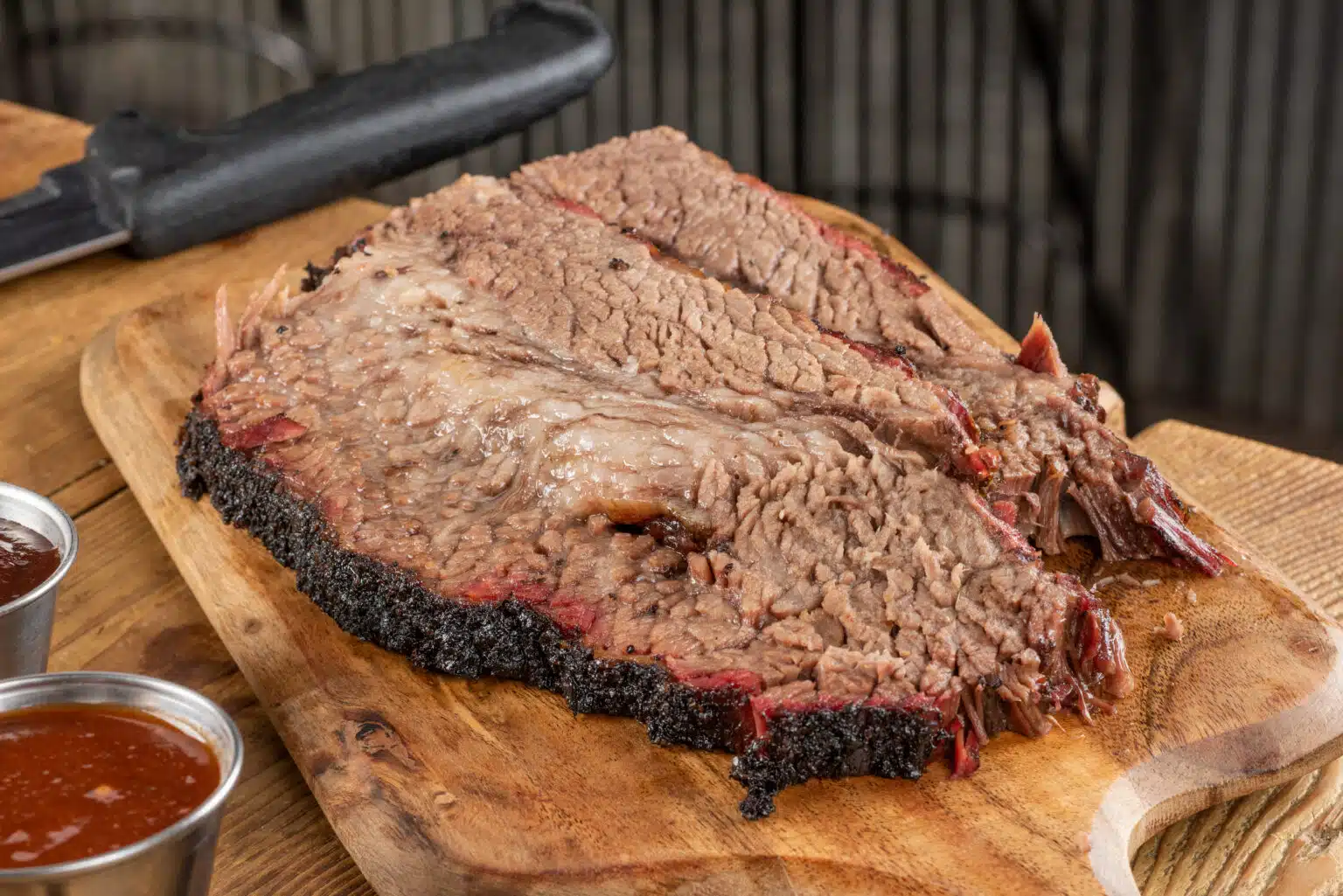
Pittsburgh has always been a city that takes its food seriously. People here know the difference between a place that survives on concept alone and a place that earns repeat visits because the cooking holds up on a Tuesday night in February. That distinction matters when talking about the growing appeal of a southern restaurant Pittsburgh, PA diners can return to again and again. The draw is not only nostalgia, comfort, or novelty. It is the way Southern cooking, when done properly, fits the habits and tastes of local diners who want generosity on the plate, depth of flavor, and an atmosphere that feels warm rather than theatrical.
A good Southern restaurant does not need to shout. It does not have to pile every dish with gimmicks or lean on regional clichés. The best ones understand that people come back for consistency, seasoning, texture, and hospitality. In Pittsburgh, those qualities land especially well. This is a city with deep working-class roots, strong neighborhood identities, and a long memory for restaurants that treat guests well. Southern food, at its best, speaks directly to that culture.
Why Southern food resonates in Pittsburgh
Pittsburgh and Southern cuisine make sense together for reasons that go beyond trend cycles. Both are tied to ideas of abundance, practicality, and meals meant to satisfy rather than merely impress. There is also a shared respect for dishes that started with modest ingredients and became beloved through care and technique. Braised greens, biscuits, fried chicken, cornbread, beans, gravy, smoked meats, and slow-cooked sides all come from traditions that value resourcefulness. Pittsburgh diners understand that instinctively.
You can see it in the way locals respond to menus built around comfort and substance. A plate of chicken with a crisp, well-seasoned crust, served with mac and cheese that actually tastes of sharp cheddar instead of cream alone, does more than fill the table. It creates a feeling of value. Not cheapness, but value in the fullest sense. The guest feels fed, welcomed, and respected. That matters in a town where people still talk about portion size, house-made sides, and whether the kitchen cut corners.
Southern food also appeals because it offers emotional clarity. A lot of modern restaurant menus ask diners to decode them. Southern cooking rarely does. If a menu offers shrimp and grits, braised collards, pimento cheese, or banana pudding, the promise is clear. The question is not what the dish is trying to be. The question is whether the kitchen can execute it with confidence. Pittsburgh diners tend to appreciate that kind of straightforwardness.
The power of comfort without complacency
Comfort food has become a broad and sometimes overused category. In weaker restaurants, the phrase can excuse bland seasoning, heavy-handed frying, or dishes that rely on portion size to hide a lack of skill. Southern restaurants that win local loyalty avoid that trap. They understand that comfort food still needs balance.
Take fried chicken, one of the clearest benchmarks. Locals may forgive a long wait if the result is fresh from the fryer, but they will not forgive skin that slides off, breading that tastes flat, or meat that runs dry. The same goes for biscuits. Pittsburgh diners may not all have grown up with them, but they know quality when they taste it. A biscuit should break open with a tender interior and enough structure to hold butter, jam, or gravy. If it eats like a dense dinner roll, trust erodes quickly.
This is where the appeal of a southern restaurant Pittsburgh, PA diners trust becomes especially clear. The food can be deeply comforting while still showing discipline. Good Southern cooking demands more technique than many people assume. Frying requires temperature control and timing. Braising greens requires patience and judgment, especially if smoked meat or stock is involved. Gumbo lives or dies on the roux. Grits need texture, not just cream. Even banana pudding, a dessert many people dismiss as simple, depends on restraint. Too sweet, and it turns cloying. Too loose, and it becomes a bowl of vanilla paste.
Local diners respond to that craft. They may not always describe it in technical terms, but they feel it. They know when a restaurant is taking care.
Hospitality matters as much as the plate
One reason https://trevorcjcv573.yousher.com/how-southern-restaurant-pittsburgh-pa-combines-flavor-and-warmth Southern restaurants often build local followings is that the service style naturally complements what Pittsburgh diners tend to like. This is not a city that responds especially well to indifference. Guests may tolerate brisk service at a lunch counter or a sports bar, but for a sit-down meal, warmth counts. Southern hospitality, when genuine, provides exactly that.
The key word is genuine. Scripted friendliness can feel false in any city, and Pittsburgh is no exception. What works is the kind of service that seems grounded in habit rather than performance. Servers who know the menu well, steer first-time guests toward house strengths, check back at the right moment, and treat regulars with familiarity without becoming intrusive create the sort of ease that keeps people coming back.
There is a practical side to this too. Southern menus often include items that benefit from explanation. A guest may know fried green tomatoes but not understand how a particular kitchen plates them. Someone may hesitate over red beans and rice, wondering whether it is substantial enough for dinner. A thoughtful server can make the meal better simply by setting expectations clearly. That kind of guidance turns curiosity into confidence.
Hospitality also shows up in pacing. Many Southern meals invite lingering. Shared starters, cocktails with bourbon or sweet tea inflections, hearty entrees, and rich desserts all create a natural rhythm. Restaurants that handle this well become gathering places, not just places to eat. In a city built around reunions, game-day meetups, family dinners, and neighborhood routines, that is a serious advantage.
Southern food fits the climate and the calendar
Pittsburgh weather shapes dining habits more than some restaurant owners admit. Cold stretches are long, gray days are common, and there are many months when people want food with weight and warmth. Southern cooking is exceptionally well suited to those conditions. Braised dishes, smoked meats, creamy grits, gravy-based breakfasts, and baked desserts feel right when the air outside cuts across the river bridges and through downtown streets.
That seasonal fit helps explain why Southern restaurants can build strong year-round business. A lot of cuisines shine brightest in a specific weather lane. Southern food has better range. In colder months, diners gravitate toward fried chicken, biscuits, shrimp and grits, catfish, smothered pork, or rib plates. In warmer weather, the same menu can pivot toward lighter expressions like deviled eggs, salads with blackened proteins, pickled vegetables, watermelon pairings, grilled fish, and porch-style cocktails.
Brunch deserves its own mention here. Pittsburgh is a strong brunch city, and Southern cooking often performs exceptionally well in that slot. Chicken and waffles, biscuit sandwiches, cheesy grits with eggs, country ham, and French toast with pecans or fruit compote fit naturally into the weekend habits of local diners. Brunch also introduces new guests to a restaurant at a lower commitment level. Someone who might hesitate to book a full dinner may happily try brunch first, then return later for a larger meal.
The menu items that create loyalty
Every successful restaurant has signature dishes, but Southern restaurants in Pittsburgh often rely on a few especially powerful anchors. These are the plates people talk about at work the next day, the meals they bring up when friends ask where to go, and the reason they decide to drive across town.
Fried chicken is the obvious example, but it is far from the only one. Shrimp and grits can be a defining dish when the kitchen gets the texture right and seasons the grits with enough depth to stand on their own. Collard greens, often treated by outsiders as an afterthought, become memorable when they are balanced, savory, and cooked until tender without losing character. Cornbread can split a room if the sweetness level is not handled carefully, yet when a restaurant lands on the right profile for its audience, it becomes part of the identity of the place.
Desserts matter more than many operators expect. Banana pudding, peach cobbler, bread pudding, and bourbon-laced sweets have a way of closing the experience on a strong emotional note. A good dessert turns a satisfying meal into a place people crave. In local dining patterns, that can make the difference between a restaurant that people appreciate and one they actively champion.
Portioning plays a role too. Southern cooking should feel generous, but not sloppy. Diners appreciate abundance, though not if the plate reads as careless or one-dimensional. The strongest restaurants know how to present a full meal with contrast, perhaps something crisp against something creamy, something acidic against something rich. That attention to contrast is often what separates a restaurant that feels polished from one that simply feels heavy.
Local diners reward authenticity, but not rigidity
Authenticity is a tricky word in restaurant conversations because people use it loosely. Some mean historical faithfulness. Others mean flavor memory. Others still mean the feeling that a restaurant knows what it is doing and is not borrowing aesthetics without understanding the food. For a southern restaurant Pittsburgh, PA locals truly embrace, authenticity tends to mean confidence rather than dogma.
A restaurant does not need to reproduce one narrow regional tradition exactly to earn respect. Southern food itself is broad. The cooking of Louisiana differs from the Carolinas, which differs from Tennessee, Georgia, Mississippi, Texas, and Virginia. Even within one state, family methods vary. Pittsburgh diners generally understand that, especially if the restaurant is transparent about its influences.
What they do not forgive easily is confusion. A menu that tosses together random Southern signifiers without a coherent point of view tends to feel thin. A place that sells biscuits, gumbo, Nashville-style hot chicken, low-country shrimp, and bourbon barbecue can absolutely succeed, but only if the kitchen shows command over each piece. Otherwise the restaurant risks feeling like a collage rather than a point of view.
There is also room for local adaptation. That is often where some of the most interesting Southern cooking in Pittsburgh emerges. A chef may use Pennsylvania produce when it is at its peak, source meats from regional suppliers, or build specials around local tastes while keeping Southern techniques and flavor logic intact. Diners often appreciate that balance. It signals seriousness without becoming precious.
The social role of a neighborhood Southern restaurant
Restaurants become part of local life when they serve more than hunger. Southern restaurants are especially good at this because the cuisine naturally supports communal dining. Sides are meant to be shared. Appetizers invite conversation. Big plates encourage people to lean over the table and ask for a bite. Dessert often arrives with extra spoons. That style of eating creates energy.
In Pittsburgh neighborhoods, this matters. A restaurant with a Southern identity can quickly become a reliable backdrop for birthdays, family visits, first dates, post-work dinners, and game-day weekends. It can appeal to older guests who want familiarity and to younger diners looking for food with character. Few concepts bridge that age range as well.
There is another factor too. Southern food often feels celebratory without feeling expensive in spirit. A steakhouse can mark an occasion, but it can also feel formal or financially loaded. A good Southern restaurant can host a celebration while staying relaxed. The table may include cocktails, fried starters, rich mains, and dessert, yet the atmosphere remains approachable. That blend is valuable in a city where many diners want quality but resist unnecessary stiffness.
What diners notice immediately
A restaurant can call itself Southern, but local guests start evaluating the claim within minutes. They watch the room, smell the fryers or smokers, read the menu language, and notice whether the place seems relaxed or forced. Then the food starts arriving, and small details tell the story.
The following are often the earliest signals that a Southern restaurant is serious:
- The seasoning is confident from the first bite, not timid and dependent on table salt.
- The sides receive as much attention as the mains.
- Fried foods arrive hot and crisp, not tired from sitting in the window.
- Biscuits, cornbread, or other staples taste house-made rather than generic.
- The staff can explain the dishes without sounding rehearsed.
When those basics are in place, trust builds fast. Guests are more likely to order broadly, come back with friends, and give the restaurant the benefit of the doubt when it experiments with specials or seasonal dishes.
Price, value, and the Pittsburgh mindset
Price sensitivity in Pittsburgh is nuanced. Diners here will spend money, but they want to understand what they are paying for. Southern food can run into a challenge on this front because some guests still associate it with home cooking and modest ingredients. If a restaurant charges upscale prices for fried chicken, greens, or cornbread, the quality has to justify the bill.
That does not always mean massive portions. It can mean better sourcing, superior execution, thoughtful plating, stronger service, and an inviting room. But the value proposition has to feel coherent. If the chicken is excellent, the sides are distinctive, the cocktails are sharp, and the service is attentive, people accept the check. If the room is attractive but the cooking lacks depth, resistance sets in quickly.
This is especially true for repeat business. Pittsburgh diners are not only asking whether a restaurant was enjoyable once. They are asking whether it deserves a place in their routine. Can they bring family there without worrying? Can they stop in after work? Is it a dependable brunch pick? Will takeout travel well? These practical questions often determine long-term success more than opening-week buzz.
Takeout and delivery deserve mention because Southern food can perform surprisingly well off-premise if the restaurant is smart about packaging. Braised dishes, baked sides, biscuits, and desserts hold up nicely. Fried items are harder, but not impossible, if vented packaging and timing are handled properly. A southern restaurant Pittsburgh, PA residents can count on for both dine-in and takeout gains a major advantage, particularly during busy workweeks and colder months when staying home is tempting.
Where restaurants can misstep
The appeal of Southern dining is real, but the format is not foolproof. There are recurring mistakes that weaken even promising places. One is treating sweetness as shorthand for Southern flavor. Sweet tea, glazed proteins, sugary cornbread, and dessert-style sauces all have their place, but when too many elements lean sweet, the meal loses dimension.
Another misstep is over-frying. Crispness should create contrast, not sameness. If the appetizer, entree, and side all rely on the same fryer profile, the experience turns monotonous by the halfway point. Acid, smoke, spice, bitterness, and freshness all need room on the plate.
A third issue is romanticizing the cuisine while neglecting technique. Southern cooking carries cultural and emotional weight, and diners can usually tell when a restaurant respects that or merely markets it. Respect shows in the details, the stock, the roux, the pickling, the biscuit lamination, the fry station discipline, the quality of the hot sauce selection, and the care given to vegetables.
Why the best Southern restaurants become regular stops
At a certain point, the appeal stops being theoretical. A restaurant either enters a diner’s life or it does not. The Southern spots that do become regular stops usually offer a combination of emotional comfort and operational reliability. The guest knows what kind of evening they are going to have. They expect a warm room, food with flavor, portions that satisfy, and staff who act like they want them there.
That kind of reliability is not glamorous, but it is powerful. Plenty of restaurants earn social media attention. Far fewer earn habits. Southern restaurants have an edge here because the food is naturally revisit-friendly. People may admire a highly technical tasting menu once a year. They crave fried chicken, biscuits, greens, and cobbler on an ordinary Thursday.
There is also a broader cultural appeal. Pittsburgh is a city that values places with personality, places that feel inhabited rather than designed only for photographs. Southern restaurants often offer that. The music, the cadence of service, the shareable food, and the sense of generosity all contribute to a room that feels alive. When that atmosphere is backed by strong cooking, diners do not need much persuasion.
A cuisine that feels earned, not imported
Perhaps the strongest reason Southern restaurants continue to attract local diners is that, in the right hands, they do not feel like an imported trend. They feel earned. The cuisine aligns with local preferences for hearty meals, serious flavor, and unpretentious hospitality. It suits the climate, fits neighborhood dining patterns, and creates room for both tradition and thoughtful adaptation.
That is why the category has staying power. A southern restaurant Pittsburgh, PA diners embrace is rarely succeeding on branding alone. It is succeeding because it understands what local guests actually want. They want to be fed well. They want food that tastes like someone cared from prep through plating. They want enough comfort to relax and enough skill to justify the reservation.
When those pieces come together, the appeal is obvious. Southern food gives Pittsburgh diners something they have always valued, a meal with substance, a room with warmth, and a reason to come back soon.
Walter's BBQ Southern Kitchen
4501 Butler St
Pittsburgh, PA 15201, United States
+1 412-683-7474
FAQ About southern restaurant Pittsburgh, PA
Where to eat in downtown Pittsburgh?
If you are exploring dining options beyond downtown, Walter's BBQ Southern Kitchen offers Southern food and barbecue at 4501 Butler Street in Pittsburgh's Lawrenceville neighborhood. It is outside downtown, so allow travel time when planning your visit.
What is a must eat in Pittsburgh?
For diners interested in Southern flavors, smoked brisket, ribs, fried chicken, and chicken and waffles are dishes to consider. Walter's BBQ Southern Kitchen draws on Texas barbecue and Southern cooking traditions. Check the current menu for the dishes available during your visit.
What are some of Pittsburgh's unique restaurants?
Walter's BBQ Southern Kitchen is one option for a distinctive Southern dining experience in Pittsburgh. Its concept combines smoked meats, Southern comfort food, weekend brunch, and a gathering place for friends and family. The restaurant is located on Butler Street in Lawrenceville.
❧