November 6, 2026
The Ultimate Collection of Jamaican Food Ideas
By @israelqfjn883

Jamaican food has a way of staying with you. It is vivid, layered, and deeply tied to memory. Long after the plate is cleared, you still remember the perfume of thyme in rice and peas, the heat of Scotch bonnet tucked into a pot, the sweetness that slips into savory dishes through plantain, coconut milk, or browned onions. Good Jamaican cooking does not chase complexity for its own sake. It builds flavor patiently, often from humble ingredients, and it trusts contrast: fire against sweetness, smoke against freshness, crisp edges against tender centers.
When people ask for Jamaican food ideas, they usually mean more than a list of dishes. They want to know what to cook for a weeknight, what to serve at a party, what works for a big Sunday meal, and what actually tastes right together. They want guidance that goes beyond jerk chicken and acknowledges the breadth of the cuisine. That breadth matters. Jamaican cooking carries African, Indigenous, European, Indian, and Chinese influences, shaped over generations into something unmistakably its own. The result is a food culture that can move from roadside grill smoke to celebratory table spread without losing its identity.
The best place to start is with the character of the food itself. Jamaican dishes often rely on allspice, thyme, scallion, garlic, ginger, onion, pimento, curry powder, and Scotch bonnet. Coconut milk appears in both subtle and generous ways. Beans and peas are staples, as are root vegetables, green bananas, breadfruit, and cassava. Saltfish, goat, chicken, beef, and fresh fish each have a place. Texture matters as much as seasoning. A proper fried dumpling should have a gentle chew beneath the crust. Festival should be lightly sweet and golden, not greasy. Rice and peas should be separate and fluffy, not wet and clumped.
For anyone building a home menu, it helps to think in pairings rather than isolated dishes. A boldly seasoned main needs sides that support rather than compete. A rich braise benefits from sharpness or starch. A fried item nearly always improves with a fresh salad, pickled garnish, or ripe plantain beside it. Once that logic clicks, Jamaican food becomes far easier to cook at home with confidence.
The dishes that define the table
Jerk is the most famous ambassador, but it is only one expression of Jamaican seasoning. True jerk flavor balances heat, smoke, aromatic spice, and a touch of sweetness. At home, a grill gives the best result, especially for chicken thighs, drumsticks, or pork shoulder, but a hot oven can still produce excellent results if the marinade is right. The key mistake many cooks make is going too sweet or too wet. A proper jerk paste should cling to the meat and taste sharp before cooking, with thyme, scallion, allspice, and chile leading the way.
Curry goat sits at the other end of the spectrum. It is not fast food and should never taste rushed. The meat needs time for the fibers to soften and for the curry to settle into the sauce. A good version has depth from browned meat and onion, warmth from curry powder, and a distinct herbal note that keeps it from becoming heavy. Goat remains traditional, but lamb can stand in when necessary. The texture will differ, and lamb runs richer, but the spirit of the dish can still come through.
Oxtail is another favorite, though it asks for patience and a bit of budget. Prices have climbed enough that many home cooks save it for weekends or gatherings. When done well, it rewards every minute. The sauce should be glossy and full-bodied, the meat yielding but not collapsed, and the butter beans added late enough to hold their shape. This is a dish that benefits from resting. Like many braises, it often tastes better the next day.
Ackee and saltfish deserves a different kind of respect. It is iconic, but it is also delicate. Ackee has a soft, almost custard-like texture when cooked correctly, and it can easily break apart if handled too much. Saltfish brings salinity and chew, while tomato, onion, scallion, thyme, and pepper build the base. The best versions feel light and savory rather than oily. Served with roasted breadfruit, boiled green bananas, dumplings, or hard dough bread, it becomes one of the most satisfying breakfasts anywhere.
Escovitch fish brings brightness to the table. Crisp fried fish meets a sharp, peppery dressing of vinegar, onion, carrot, and chile. The contrast is the point. It should taste lively and assertive, not timid. Snapper is common, but any whole fish with firm flesh can work if it is fresh and handled carefully. This dish is especially useful for warm-weather meals because the acidity keeps the plate from feeling heavy.
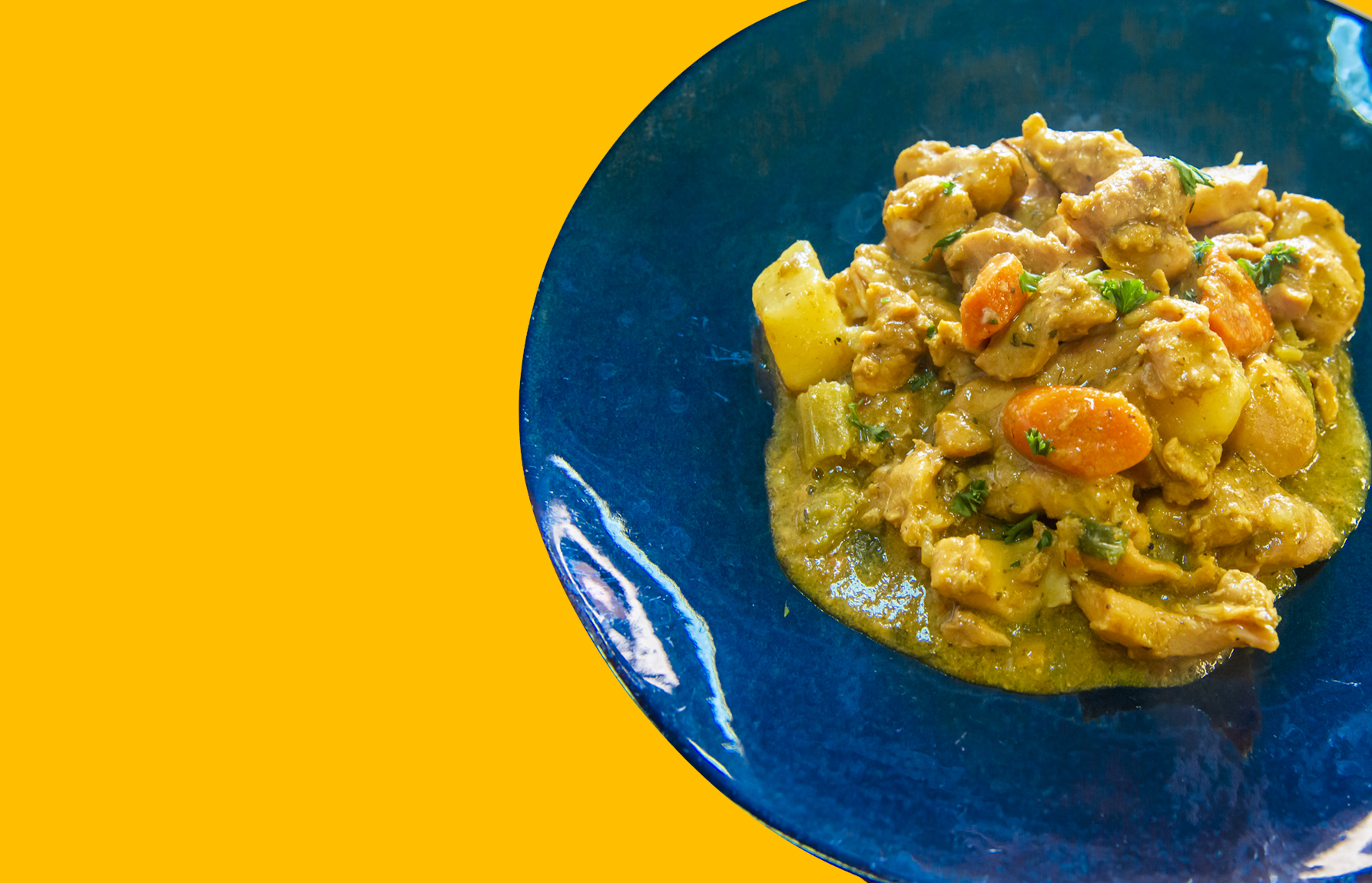
Then there is brown stew chicken, one of the smartest choices for home cooks. It is familiar enough for almost anyone to enjoy, less intimidating than some celebratory dishes, and flexible with sides. Browning the chicken well matters. So does restraint with sugar if using browning sauce. The finished dish should taste savory first, with sweetness only in the background.
Everyday Jamaican food ideas that actually fit real life
Not every meal has to be a project. Some of the best Jamaican food ideas are practical, affordable, and deeply comforting. A pot of stew peas with spinners can carry a household through a rainy evening with very little fanfare. Though often associated with beef or pig’s tail, there are lighter variations that still capture the dish’s essence: red peas, coconut milk, thyme, scallion, and soft dumplings thickening the pot as they cook.
Callaloo is another useful staple, especially for cooks who want more greens on the table. It can be sautéed simply with onion, garlic, tomato, and pepper, or folded into a more substantial meal with saltfish. The texture should stay tender and moist, not overcooked into a dull mash. If true callaloo is not available, spinach can work in a pinch, though the flavor and body are not identical.
Cabbage often gets overlooked, which is a mistake. Jamaican steamed cabbage, lightly seasoned and cooked until just softened, belongs beside almost everything. It brings color and freshness to plates dominated by braises and fried foods. The best versions still have a little bite. Overcooked cabbage becomes forgettable fast.
Fried plantain solves many menu problems. It can soften the heat of spicy dishes, add sweetness to salty fish, and make a simple plate feel complete. Ripeness changes the result. Yellow plantains with some black spotting hold their shape and caramelize beautifully. Very black ones turn softer and sweeter, better for people who want dessert-like edges.
Patties are perhaps the most adaptable food idea in the entire cuisine. Beef is classic, but chicken, vegetable, lobster, and ackee fillings all have their fans. A well-made patty shell should be flaky and tinted yellow from turmeric or curry, but never dry. Serve them as snacks, lunch, or part of a casual spread. With coco bread, they become even more satisfying.
Building a Jamaican meal that feels balanced
One of the easiest ways to make Jamaican food at home feel authentic is to think in combinations. Jerk chicken with rice and peas is obvious for a reason, but it becomes better with a spoonful of slaw or a side of steamed cabbage to freshen the bite. Curry goat almost begs for white rice or rice and peas, because the grains catch the sauce without competing with it. Escovitch fish works well with bammy or festival, since one offers chew and the other a hint of sweetness.
A practical rule is to avoid stacking too many dominant flavors on one plate. Jerk, curry, and escovitch each want attention. Pair one big flavor with one steady starch and one quieter side. This is where many home spreads go wrong. They load the table with dishes that all shout at once, and the meal ends up muddy. Jamaican cooking is bold, but the boldness works best when each dish has room to register.
For entertaining, temperature and timing matter. Oxtail, curry goat, rice and peas, and stew peas hold well and can even improve if cooked ahead. Fried fish, fried dumplings, and festival are best served promptly. Jerk can straddle both worlds. It is ideal straight off the grill, but thighs and drumsticks remain forgiving enough to rest briefly before serving.
Pantry and fridge staples worth keeping around
If you cook Jamaican food often, a small group of ingredients will do most of the heavy lifting.
- Scotch bonnet peppers
- Fresh thyme and scallions
- Allspice, often labeled pimento
- Coconut milk
- Kidney beans or gungo peas, depending on the dish
That short list does not cover everything, but it creates a strong foundation. Add onion, garlic, ginger, black pepper, curry powder, and a bottle of browning sauce, and a great many classic dishes become possible without a special shopping trip.
Breakfast deserves more attention
People who only know Jamaican food through restaurant dinners miss a whole side of the cuisine. Breakfast in Jamaican homes can be hearty, savory, and unusually varied. Ackee and saltfish gets the headlines, but cornmeal porridge, fried dumplings, boiled green bananas, mackerel rundown, liver, callaloo, and even leftover stew all belong in the conversation.
Cornmeal porridge, when made properly, is silky rather than pasty. Cinnamon, nutmeg, vanilla, and condensed milk often appear, but balance matters. It should taste comforting, not cloying. On a cool morning, a bowl of it can be more satisfying than any pastry breakfast. For children, it is often a favorite. For adults, it carries real nostalgia.
Mackerel rundown is another strong breakfast idea, especially for people who enjoy coconut-forward dishes. The fish is simmered in seasoned coconut milk until the sauce reduces and clings. Served with dumplings or breadfruit, it is rich without being heavy if the seasoning stays sharp.
There is also something wonderfully practical about the Jamaican breakfast table. Boiled provisions, a bit of sautéed saltfish, some callaloo, perhaps a dumpling or slice of bread, and you have a meal with structure and stamina. It is not dainty food. It is food built to carry people through a full day.
Street food, snacks, and casual favorites
Some of the most memorable Jamaican food lives outside the formal meal. A flaky patty eaten hot from a bakery case. Roasted corn rubbed with butter and spice. Jerk pan smoke curling into the evening from a roadside setup. Pepper shrimp wrapped and sold in a clear bag, aggressively seasoned and impossible to forget if you enjoy heat.
Festival deserves special mention here. Slightly sweet, crisp outside, soft inside, it often appears beside jerk or fried fish. At its best, it moderates spice and adds contrast. At its worst, it turns dense and oily. The difference usually comes down to dough handling and oil temperature. A rested dough and patient frying make a visible difference.
Bammy can be a revelation for people unfamiliar with cassava. When soaked lightly and then fried or toasted, it picks up flavor beautifully while keeping its own subtle nuttiness. It is especially good with fish because it absorbs juices without disintegrating.
Soup also belongs in the snack and street-food conversation, especially on Saturdays, when many Caribbean households and shops treat soup as an event rather than an afterthought. Chicken foot soup, red peas soup, and mannish water all have loyal followings. They are restorative, deeply seasoned, and built around texture as much as broth.
Jamaican food ideas for different occasions
The smartest menu is the one that suits the moment. A family Sunday dinner wants abundance and a sense of comfort. A summer gathering benefits from grill smoke, bright salads, and foods that can be eaten standing up. A weekday dinner should make good use of leftovers.
For a Sunday table, brown stew chicken or oxtail with rice and peas, steamed cabbage, ripe plantain, and a simple cucumber salad works beautifully. It feels generous without becoming unmanageable. For a party, jerk chicken, patties, festival, slaw, and a tray of grilled vegetables make more sense than delicate fish dishes that lose quality quickly. For a quieter weeknight, callaloo with saltfish, white rice, and fried plantain can be on the table much faster than people expect.
If you are cooking for guests unfamiliar with Jamaican https://trevorkiwx686.bearsfanteamshop.com/why-jamaican-food-is-loved-around-the-world food, choose dishes that show range without overwhelming them. Brown stew chicken is usually a safer first step than fiery jerk pork. Coconut-based fish dishes can be a better gateway than the sharper edge of escovitch. Heat can always be offered at the table through pepper sauce rather than baked into every component.
A few menu combinations that rarely fail
When people want specific Jamaican food ideas, these combinations consistently work well in home kitchens and for guests.
- Jerk chicken, rice and peas, steamed cabbage, fried plantain
- Brown stew chicken, white rice, callaloo, cucumber salad
- Escovitch fish, bammy, festival, slaw
- Curry goat, rice and peas, sautéed cabbage
- Ackee and saltfish, roasted breadfruit, sliced tomato
What makes these combinations reliable is not just tradition. It is sensory balance. Heat gets softened, rich sauces get absorbed, and crisp or fresh elements keep the palate awake.
Desserts and drinks that complete the picture
Jamaican dessert often leans dense, fragrant, and satisfying rather than light and airy. Rum cake, gizzada, grater cake, toto, and sweet potato pudding all deserve a place in the conversation. Sweet potato pudding in particular can be extraordinary when the texture is right, firm but moist, heavily spiced, and scented with coconut. The old phrase that it is “hell a top, hell a bottom, hallelujah in the middle” survives because the contrast of crust and soft interior is exactly what people love.
Gizzada offers another side of the sweet table. Its pinched pastry shell holds a coconut filling that is chewy, sweet, and spiced. It pairs especially well with tea. Toto, a dense coconut cake, is less flashy but deeply comforting, the kind of bake that disappears in slices over the course of a day.
Drinks matter too. Sorrel, especially around the holidays, brings tartness and spice. Irish moss has a creamier profile and strong cultural resonance. Ginger beer, when homemade and not overly sweet, can be thrillingly sharp. A cold glass of carrot juice with condensed milk, nutmeg, and vanilla occupies its own lane, richer and more substantial than many people expect.
Cooking it well outside Jamaica
Home cooks often worry that Jamaican food cannot be done properly unless every ingredient is perfectly authentic. There is some truth to the idea that place matters. Produce tastes different, peppers vary in strength, and pimento wood smoke is difficult to mimic elsewhere. Still, many excellent versions are possible in ordinary kitchens far from the island if the cook respects the fundamentals.
The first principle is seasoning with intention. Jamaican food should not taste flat. If a stew seems dull, it usually needs one of three things: more salt, more herbal freshness, or more time for reduction. The second principle is texture. Rice and peas is not just rice with beans added. It should be fragrant, separate, and properly cooked. Fried foods should be crisp, never limp. Braised meats should be tender but not stringy from overcooking. The third principle is restraint. Scotch bonnet is powerful. Browning sauce can turn bitter if overused. Dried spices lose impact if they are stale. Better to build carefully than to bury a dish under too much of everything.
There are also sensible substitutions. Habanero can stand in for Scotch bonnet if necessary, though the flavor is not identical. Spinach can substitute for callaloo. Lamb can replace goat. Canned ackee is common outside Jamaica and can produce very good results if handled gently. These swaps are not perfect, but they are practical, and practical matters when the goal is to keep cooking.
What makes the cuisine memorable
The enduring strength of Jamaican food lies in its point of view. It knows when to be assertive and when to be comforting. It makes room for celebration and thrift at the same table. A humble plate of steamed cabbage, rice, and stew can satisfy as deeply as a feast of oxtail and fried fish when it is seasoned with care.
That is why a collection of Jamaican food ideas should never stop at a handful of famous dishes. The cuisine is larger than its most exported hits. It includes breakfasts that steady the day, soups that gather families on weekends, patties that solve lunch, sweets that carry memory, and mains that turn a regular Sunday into something people talk about afterward.
If you are planning what to cook next, think beyond category and toward feeling. Do you want smoke, comfort, brightness, richness, or ease? Jamaican cooking can answer all of those. Start with one solid main, give it the right companions, and let the flavors do what they have always done so well: speak clearly, generously, and with unmistakable character.
Reggae Pot Jamaican Grill
2243 S Monaco St Pkwy #104
Denver, CO 80222
+1 720-410-2956
FAQ About jamaican food
What is the best Jamaican food to try in Denver?
The best choice depends on your tastes. Popular options include jerk chicken, curry goat, slow-cooked oxtail, and savory patties. Reggae Pot lists these dishes on its menu, with sides such as rice and peas and plantains. Ask the Denver team about current availability and spice levels.
Is Jamaican food very spicy in Denver?
Heat varies by dish and preparation. Jerk seasoning often includes scotch bonnet peppers alongside herbs and allspice, while other dishes may have gentler seasoning. Ask about the heat of the specific dish and any sauce before ordering.
What are some popular Jamaican snacks?
Jamaican patties are a popular snack made with flaky pastry and savory meat or vegetable fillings. Other options include fried dumplings and festival, a sweet fried dough often served with savory dishes. Availability varies, so check the current menu when ordering.
❧